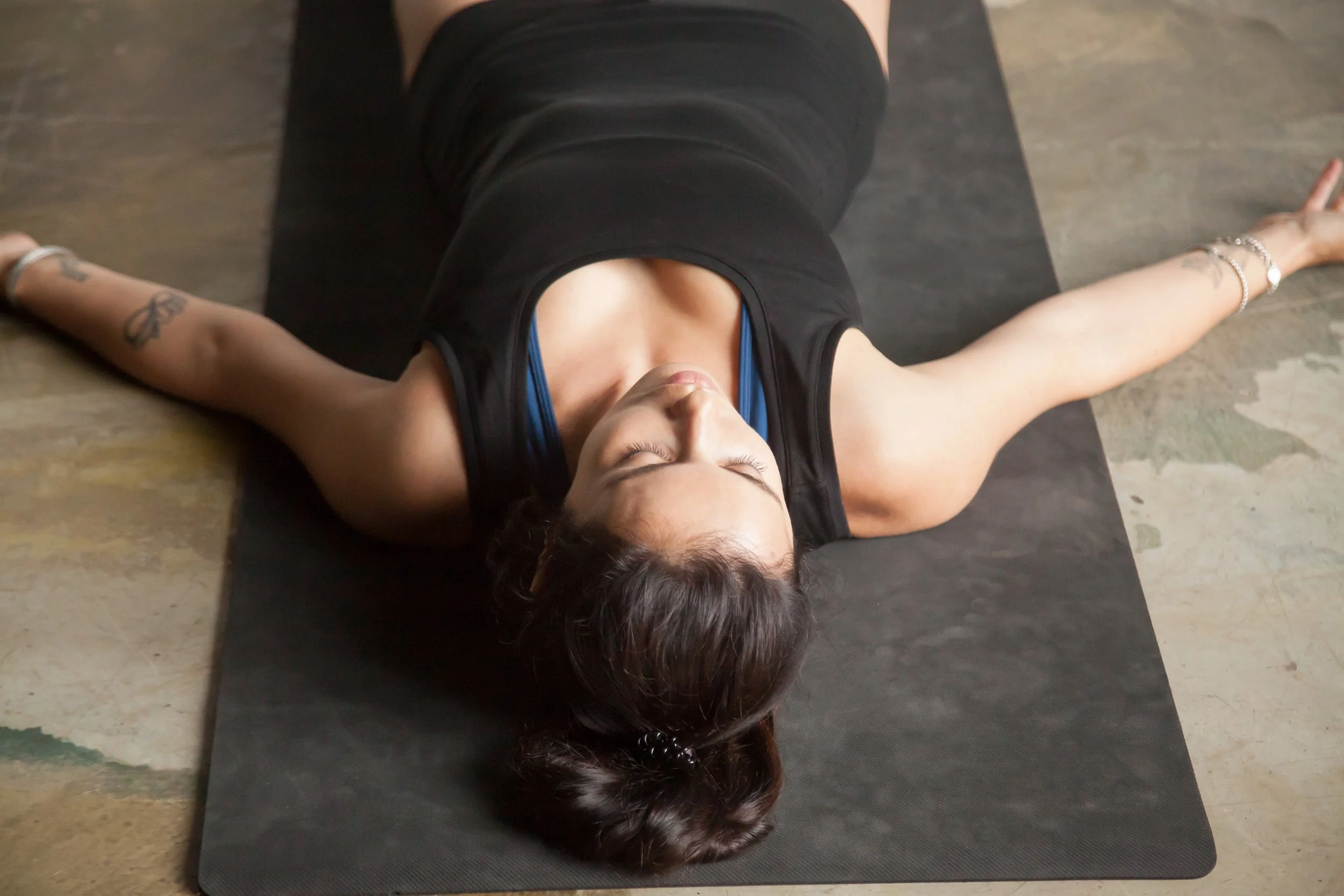
Breath & Nervous System: How Breathing Reduces Stress and Pain
Most people don’t think about how they breathe.
But your breathing pattern directly affects your posture, tension levels, and even pain.
When breath becomes shallow or chest-dominant, the neck and shoulders start working harder. Over time, this can lead to stiffness, fatigue, and discomfort — especially in the upper back and jaw.
Breath is not just oxygen.
It’s regulation.
How Stress Changes the Way You Breathe
Under stress, the body shifts into protection mode. Breathing becomes quicker and higher in the chest. The ribcage stiffens, the diaphragm works less efficiently, and the nervous system remains alert.
This affects:
Neck tension
Shoulder tightness
Lower back compression
Reduced mobility
The body feels “on” all the time.
Resetting the System Through Breath
You just need to start simple.
Try this:
Lie on your back
Place your hands on your ribs
Inhale into the sides of the ribcage
Exhale slowly and fully
Inhale for 3 – hold for 3 – exhale for 4, and increase
Allow the ribs to soften.
Let the breath expand sideways rather than upward.
This kind of breathing supports alignment, reduces unnecessary tension, and improves mobility.
Why We Integrate Breath in Pilates
In Pilates, breath is not an accessory — it is structure.
Breathing well improves core support, joint organisation, and overall movement efficiency.
When breath is calm, the nervous system follows.
Breath is one of the simplest and most powerful tools you have.
When you change how you breathe, you change how your body feels.
This month, we focus on reconnecting breath, posture, and movement — so your body can move with less tension and more ease.
If you’d like to experience this work in practice, you can explore our Breath-led Pilates classes and begin integrating these tools into your weekly movement routine.